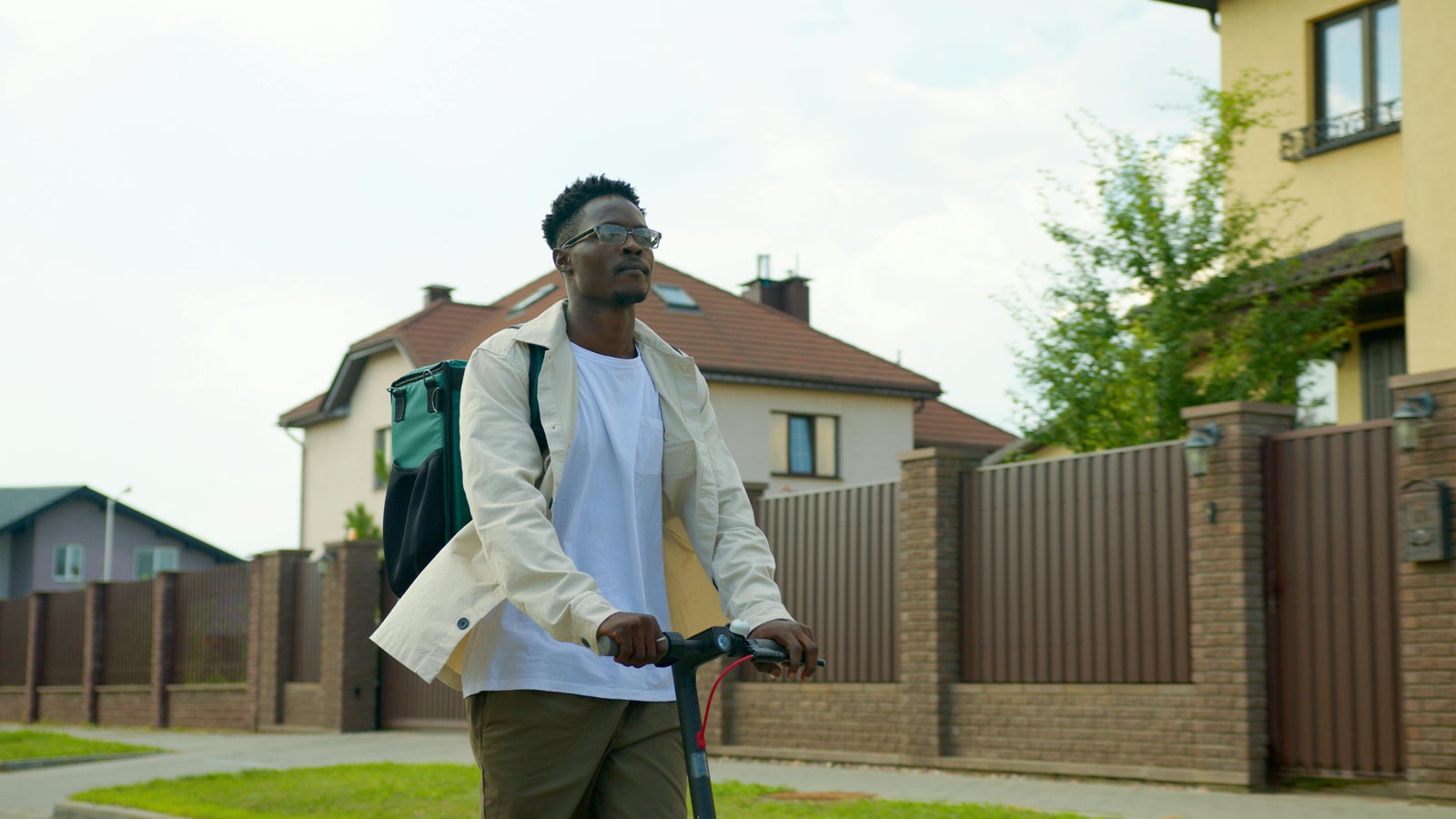
Urban home buyers increasingly look beyond interior layouts and focus on how daily life functions outside the front door. Streets that support walking shape routines, influence spending habits, and affect long-term satisfaction with a home purchase. Understanding why walkability matters for urban home buyers helps explain shifting priorities in modern real estate markets. Easy access to shops, parks, transit, and services allows residents to move efficiently without depending on a car. Buyers also consider health benefits, reduced commuting stress, and neighbourhood convenience when choosing where to live. Walkability connects housing decisions with lifestyle quality, making location feel practical, flexible, and future-focused.
Understanding Walkability in Everyday Urban Living
Walkability shapes how residents move through a city and manage daily routines with ease. Streets designed for pedestrians encourage short trips to stores, cafés, schools, and green spaces. As a result, daily errands feel simpler and require less planning around traffic or parking. Buyers often notice how walkable neighbourhoods also support balanced lifestyles that include indoor and outdoor home maintenance alongside regular activities. Moreover, connected sidewalks and nearby services help residents stay active without drastically changing schedules. Convenient surroundings improve time management and reduce reliance on long commutes. Consequently, walkability reflects thoughtful urban design that supports comfort, efficiency, and consistent daily movement.
Convenience Drives Modern Urban Buying Decisions
Urban buyers increasingly focus on convenience when choosing where to live. Easy access to daily essentials reduces stress and improves overall routine efficiency. Instead of long drives, residents can walk to groceries, cafés, or fitness spaces. Consequently, time once spent commuting becomes available for personal priorities. Buyers also appreciate neighbourhoods that support flexible schedules and spontaneous outings. Additionally, nearby amenities encourage consistent activity without requiring extra planning. Real estate trends show strong demand for locations that simplify everyday living. Convenience now influences purchasing decisions as strongly as price, layout, and property condition.Health Benefits and Financial Advantages of Walkable Living
Walkable neighbourhoods encourage daily movement through simple habits like walking to stores or nearby parks. Regular activity supports heart health, improves energy levels, and reduces stress over time. At the same time, fewer car trips lower fuel expenses, parking costs, and vehicle maintenance demands. Consequently, households often experience meaningful financial relief alongside healthier routines. Consider families relocating internationally for lifestyle improvements. Many households moving from the USA to Canada with family seek safer streets and easier daily mobility. Parents often prioritize schools, healthcare access, and nearby services within walking distance. Such transitions highlight how a family move across borders often centers on stability, accessibility, and predictable routines. Walkability supports these goals by simplifying errands and reducing transportation pressure. Therefore, buyers frequently view pedestrian-friendly areas as practical investments that benefit both health and long-term budgeting decisions.Walkability Supports Long-Term Property Value
Location continues to shape how properties perform over time in competitive housing markets. Buyers often seek areas where daily needs remain close and accessible. As demand grows, homes in walkable neighbourhoods attract steady interest from future purchasers. Strong buyer attention can help stabilize property values during market fluctuations. In the middle of purchase decisions, many buyers begin to understand why walkability matters for urban home buyers through resale potential and lifestyle flexibility. Furthermore, nearby amenities encourage consistent demand across different buyer groups. Reduced dependence on long commutes also increases long-term appeal. Consequently, walkable locations often provide both practical living advantages and reliable investment confidence.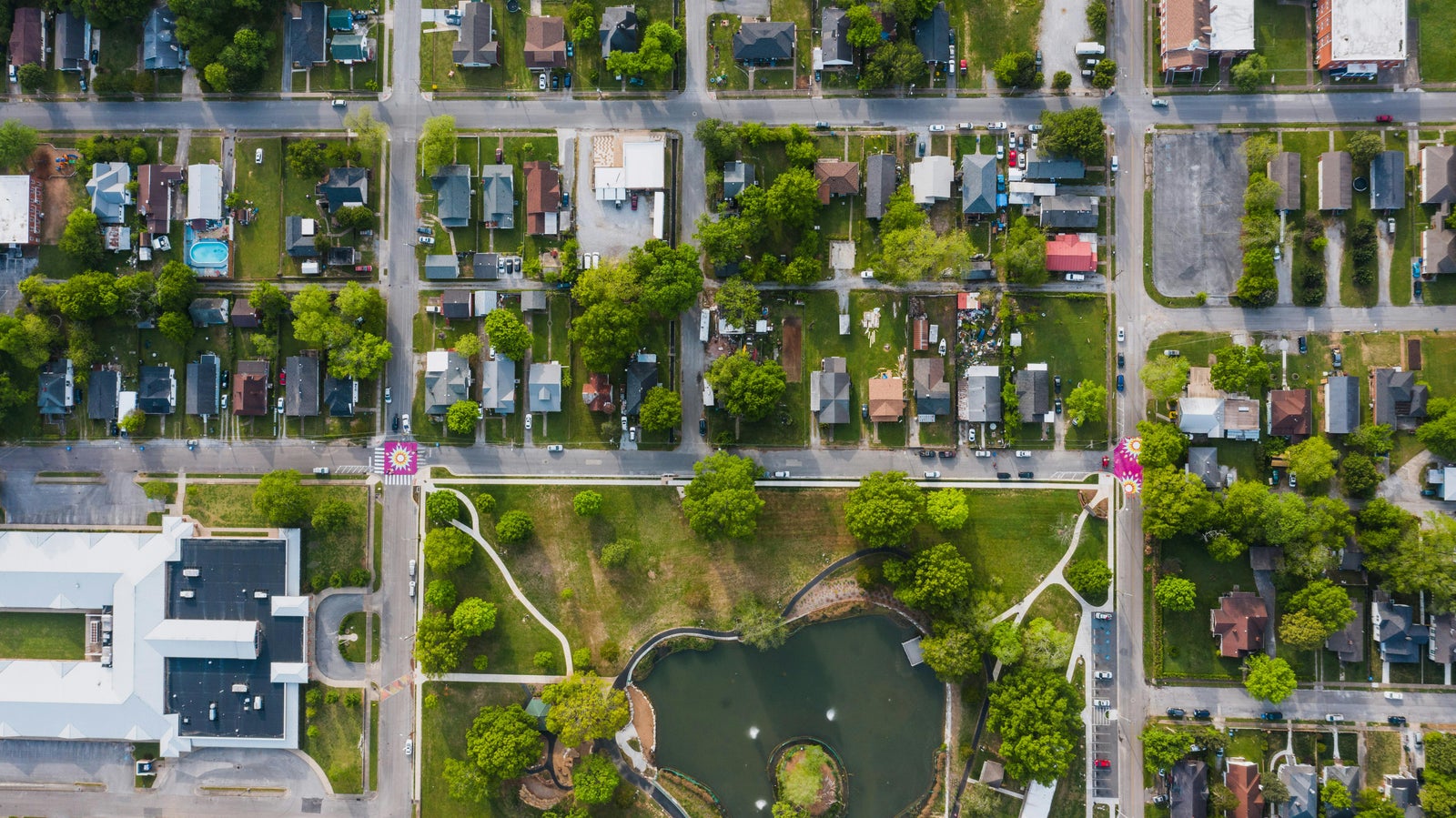
Sustainability Benefits of Walkable Urban Design
Environmental awareness increasingly shapes housing decisions in growing cities. Walkable neighbourhoods reduce daily car use and support cleaner urban environments. Shorter travel distances encourage walking, cycling, and transit use instead of frequent driving. As cities expand, planners respond with higher urban density and mixed-use zoning strategies. Current housing trends emphasize walkable development that connects residences with services and employment areas. Within this framework, multi-unit living supports efficient land use while reducing urban sprawl. Shared walls also improve energy efficiency compared to detached housing. Consequently, buyers interested in sustainable lifestyles often choose walkable districts that align environmental responsibility with practical urban living.Why Walkability Matters for Urban Home Buyers: Daily Mobility, Safety, and Lifestyle Benefits
Walkable neighbourhoods influence daily experiences by improving mobility and encouraging consistent outdoor activity. Easy access to transit options allows residents to move efficiently across the city without long drives. Meanwhile, safer street design supports comfortable walking through improved crossings, lighting, and slower traffic flow. Active sidewalks also encourage natural interaction and increase awareness of surroundings. As a result, residents often feel more confident moving through local areas at different times of day. Convenient surroundings also simplify routines by placing essential services within a short walking distance. Consequently, daily schedules become easier to manage, leaving more time for work, relaxation, and personal interests. Reduced travel stress also supports better focus and improved daily balance. Key lifestyle advantages often include:- Shorter travel times for errands and appointments
- Better access to buses, trains, and shared mobility options
- Increased pedestrian safety through thoughtful street planning
- Easier access to parks, cafés, and essential services
- Greater flexibility in managing daily routines without relying on constant driving
Future Trends Shaping Walkable Urban Housing
Urban housing preferences continue evolving as cities adapt to population growth and changing lifestyles. Buyers increasingly seek neighbourhoods that balance accessibility, efficiency, and long-term flexibility. Governments also adjust zoning rules and planning policies to encourage pedestrian-friendly development. During property decisions, many buyers must navigate regulatory changes when buying or selling a home, especially in rapidly growing urban markets. Policy updates often influence density limits, transit planning, and mixed-use construction opportunities. These shifts directly affect housing availability and neighbourhood design. Consequently, informed buyers pay close attention to planning trends, since future regulations often shape both lifestyle experience and long-term property value.